


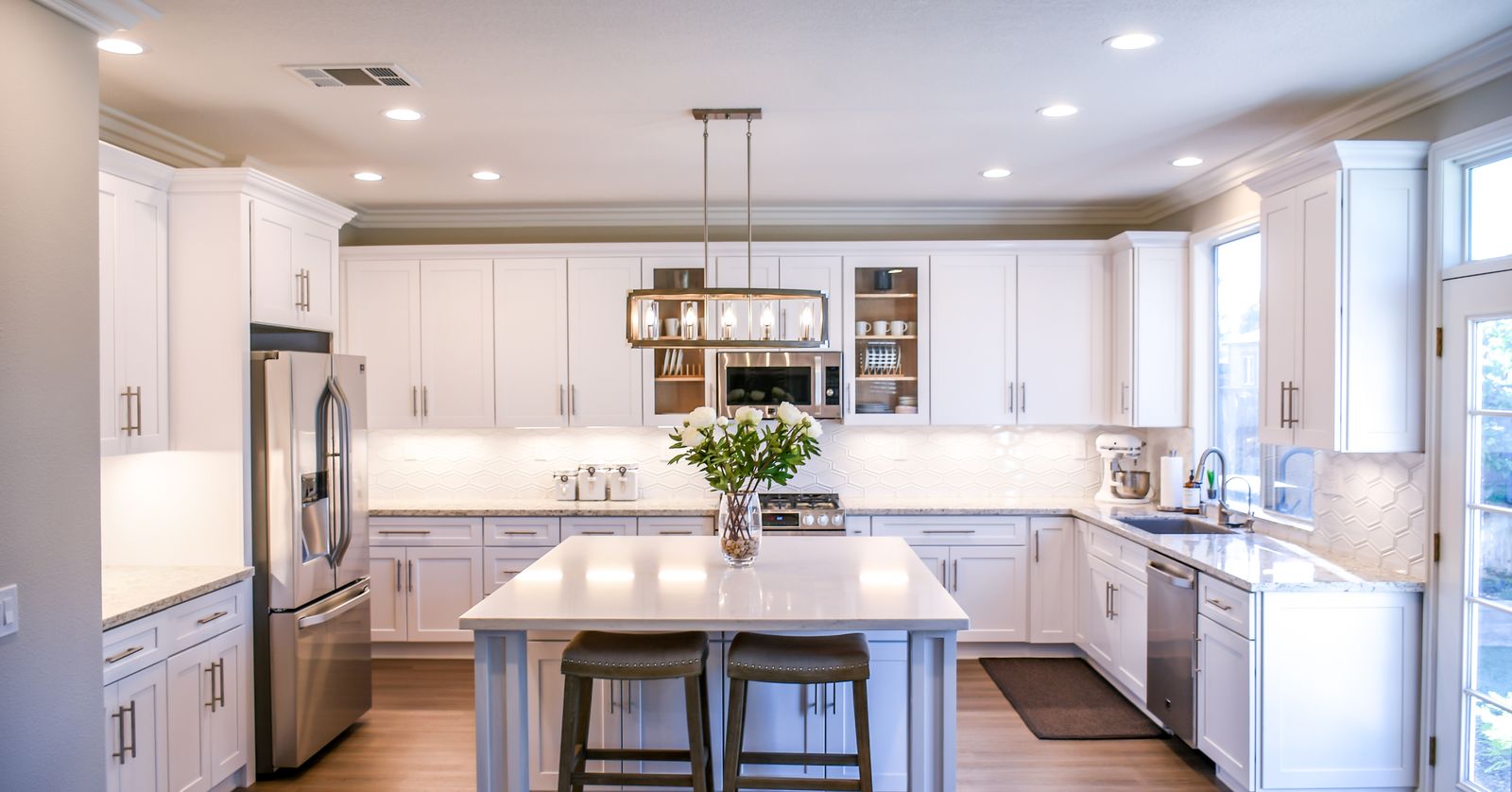
- Wellness architecture is structural, not decorative. It is decided in the plans, and it is expensive to add afterwards.
- Light and air do more than any single amenity. Orientation, cross-ventilation and ceiling height shape daily life more than a sauna does.
- Maui’s climate is an advantage here because indoor-outdoor living works year round.
- Designing for longevity means designing for later. Single-level living and step-free access matter to buyers planning to stay for decades.
- Materials matter more in a coastal climate, both for health and for how the house ages.
What wellness architecture actually means
The phrase gets used loosely, so it is worth being concrete. Wellness architecture is design where human health is treated as a functional requirement, alongside structure, cost and aesthetics. It shows up in decisions made long before anyone chooses a finish.
The distinction I would draw is this. Wellness amenities are things you can install. Wellness architecture is decisions you cannot easily undo. A cold plunge is an amenity. Where the windows are, how air moves through the house, how much daylight reaches the middle of the plan, and whether you can live entirely on one level are architecture.
That distinction matters commercially, because the architecture is what a buyer cannot fix later.
Light and air do the heaviest lifting
If I could persuade a buyer to weight one thing above all the wellness equipment, it would be this.
Orientation determines what time the sun enters a room and how hot it gets. Cross-ventilation determines whether a house needs to be sealed and air-conditioned most of the day or can simply be opened. Ceiling height and window placement determine whether a space feels restorative or merely large.
On Maui these are not abstract. The trade winds are a real resource, and a house designed to use them is more pleasant to live in and cheaper to run than one that ignores them. Two homes of similar size and finish can feel completely different on the same afternoon, one naturally breezy and the other reliant on every fan running. That difference is set on the drawing board, not in the furnishings.
Why Maui suits this so well
The climate here removes a compromise that many markets have to make. Recovery space does not need to be buried indoors. An outdoor shower is usable year round. A covered lanai can genuinely function as a room rather than a seasonal bonus. A plunge under open sky is realistic in February.
That extends the usable footprint of a house well beyond its enclosed square footage, and it is one of the reasons wellness-oriented design lands so naturally here. The island is doing half the work.
The counterpart is that indoor-outdoor design has to be executed properly. Poorly detailed transitions let water and salt into the structure. Good ones last decades. This is another area where the difference is invisible on a walkthrough and expensive to discover later.
Designing for longevity means designing for later
There is a second meaning to longevity, and it has nothing to do with saunas.
If you expect this to be your last house, not a stepping stone or a five-year hold but somewhere you will be in twenty or thirty years, that changes what good design looks like.
It means a primary suite on the main level. It means step-free entry somewhere, even if the lot is sloped. It means doorway widths and bathroom layouts that would still work if mobility changed. It means thinking about whether the guest hale could house a caregiver or family member one day.
None of this needs to read as clinical. Done well it is simply generous, well-proportioned design that happens to remain usable. Done badly, or not at all, it quietly limits how long the house serves its owner. On an island where a rebuild is expensive and contractors are stretched, that is worth resolving at purchase.
Materials, air and water
Three things worth asking about that rarely make the listing.
Materials. Low-emission finishes, sealants and cabinetry matter more in a house that is often closed up, and matter differently in a salt-air climate where cheaper materials fail faster. Ask what was used, particularly in bathrooms and kitchens.
Air. If the house is designed to be opened, ventilation takes care of itself. If it is designed to be sealed and conditioned, ask what the filtration is and how it is maintained. A humid climate is unforgiving of neglected systems.
Water. Beyond supply, which is its own question on Maui, ask about filtration. Buyers who care about wellness generally care about what comes out of the tap and the shower, and whole-house filtration is easier to plan for during a build than after it.
What to ask when you are viewing
- Which way does the house face, and where does the wind come from? Ask to stand in the main living space with the doors open.
- Can this house be lived in on one level? Even if you do not need that today.
- How does air move when everything is closed? And what maintains it.
- What was used, particularly in the wet areas? Materials and detailing predict how the house ages here.
- Is there whole-house water filtration, or a practical route to add it?
Frequently asked questions
What is the difference between wellness architecture and wellness amenities?
Amenities are installable: sauna, plunge, treatment room. Architecture is structural: orientation, light, ventilation, circulation, single-level living. Amenities can be added later. Architecture largely cannot, which is why it deserves more weight when you are choosing between properties.
Does wellness-oriented design cost more to build?
Not necessarily. Orientation and cross-ventilation are design decisions rather than budget items. Costs rise with specified systems such as filtration, sealed envelopes and wet-room construction.
Why does this suit Maui particularly?
The climate allows genuine year-round indoor-outdoor living, so restorative space does not have to be enclosed. Trade winds make natural ventilation a real option rather than a theoretical one.
What does designing for longevity mean in practice?
Main-level primary suite, step-free access somewhere on the property, generous doorways and bathroom layouts, and flexible secondary accommodation. It matters most for buyers who intend to stay for decades.
Can an older Maui home be adapted?
Often, partially. Light, ventilation and layout can sometimes be improved substantially through renovation. Orientation and the fundamental relationship between the house and the lot generally cannot. Judge those first.
Related guides
- Wellness Real Estate on Maui: A Guide for Longevity-Focused Buyers
- Spa, Sauna and Cold Plunge: The Wellness Amenities Maui Buyers Now Expect
- Water on Maui: County Meters, Private Wells and the Upcountry Waitlist
- Buying Luxury Real Estate on Maui: The Complete Mainland Buyer’s Guide
Chelsea Dimin is a Compass real estate agent with 17 years of experience, specializing in luxury homes across Wailea, Mākena and South Maui.
This article reflects general market observation on Maui and is not construction, design, medical or investment advice. Wellness features and their value vary by property, lot and build quality. Confirm what any specific home can support with a licensed contractor and the County of Maui before relying on it.